
Mohs Surgery
The Most Effective Treatment for Skin Cancer — With the Best Cosmetic Results
At our practice, Dr. Aboutalebi performs Mohs micrographic surgery, the gold standard for treating skin cancer. This advanced technique offers the highest cure rates—up to 99%—while preserving as much healthy skin as possible. The result? A more precise removal, faster healing, and minimal scarring, all completed in a single, same-day procedure.
What Makes Mohs Surgery Different & Better
The Highest Cure Rates Available
99% cure rate
for primary basal cell and squamous cell carcinomas
94% cure rate
for recurrent skin cancers
Significantly superior to conventional excision, radiation, or other treatments
What this means for you: Effective treatment with careful attention to preserving healthy tissue.
Maximum Preservation of Healthy Tissue
Mohs surgery removes cancer with microscopic precision. We examine 100% of the surgical margin in real-time, removing only cancerous tissue, nothing more.
What this means for you: Smaller scars, better cosmetic outcomes, and preservation of healthy skin, especially critical on your face, hands, and other visible or functional areas.
Each tissue layer is immediately examined under the microscope while you wait. If cancer remains, we know exactly where it is and remove only that specific area. The process continues until we confirm your margins are completely clear.
Your Entire Care Journey, Simplified and Seamless
From cancer removal to reconstruction, your entire procedure happens in one visit, in our state-of-the-art facility, under Dr. Aboutalebi’s direct care. There’s no need for multiple appointments, outside pathology labs, or referrals. You’ll receive a complete diagnosis, treatment, and repair all in one day — saving you time, reducing anxiety, and ensuring seamless, continuous care from start to finish.
When Mohs Surgery Is Right for You
Not sure if Mohs is right for you? Schedule a consultation. We’ll evaluate your specific situation and recommend the treatment that’s truly best for you— not what’s most profitable or convenient for us. for you.
Dr. Aboutalebi recommends Mohs surgery for:
- Skin cancers on cosmetically or functionally important areas (face, ears, eyelids, nose, lips, hands, feet, genitals)
- Recurrent skin cancers that have returned after previous treatment
- Large or aggressive tumors
- Cancers with poorly defined borders
- Areas where tissue preservation is critical
- Patients with genetic conditions causing multiple skin cancers
- Selected melanoma in situ and other skin malignancies
The Mohs Process: What to Expect
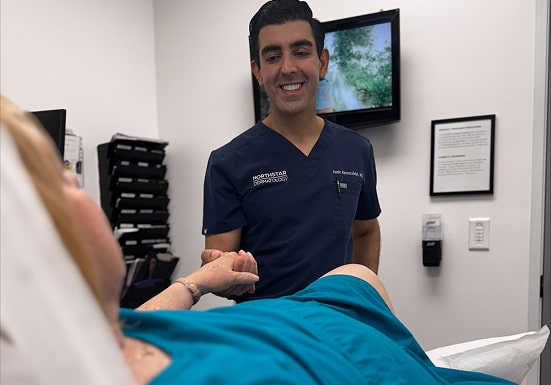
Consultation
At Northstar Dermatology, your care begins with a thorough consultation. During this visit, your dermatologist will explain the details of your procedure, outline each step, and answer any questions you may have. The treatment area will be carefully identified and marked, and you’ll receive clear guidance on what to expect before, during, and after the procedure. Once local anesthesia is administered to ensure your comfort, the procedure will begin.
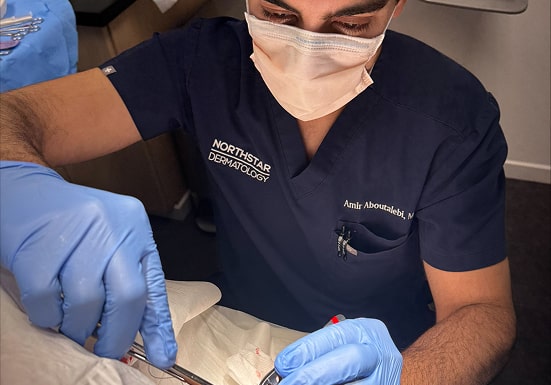
Removal
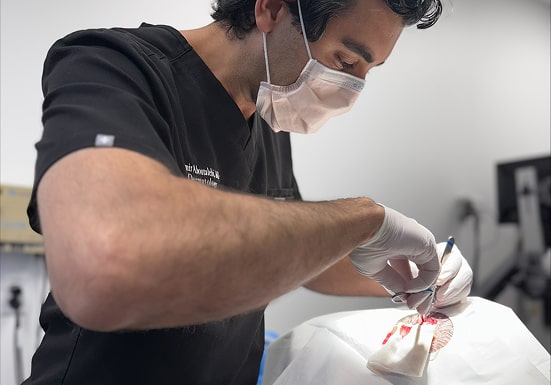
Once the area is numb from local anesthesia, your Northstar Dermatology surgeon will carefully remove a thin layer of tissue from the affected area. This layer includes the visible portion of the skin cancer along with a small margin of surrounding tissue. The goal is to remove as little healthy skin as possible while ensuring complete removal of cancerous cells.
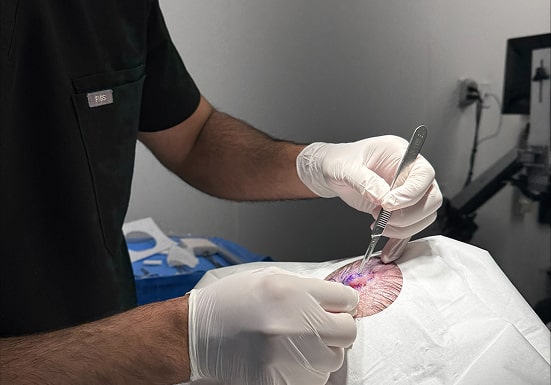
Preparation of Tissue
The tissue that has been removed is then taken to our on-site laboratory for immediate processing. The specimen is carefully mapped, marked with colored dyes to indicate orientation, and frozen. Ultra-thin sections are then prepared for microscopic examination. This precise preparation allows your surgeon to match what’s seen under the microscope with the exact location on your skin.
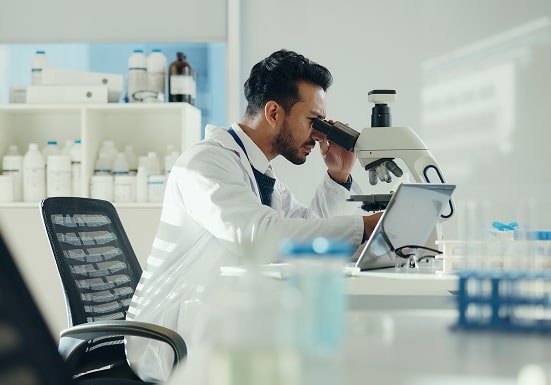
Microscopic Examination
Using a high-powered microscope, your Mohs surgeon examines the entire margin of the tissue to check for any remaining cancer cells. If cancer cells are detected, your surgeon will return to the exact area identified and remove another thin layer of tissue. This process is repeated layer by layer until no cancer cells remain—ensuring the highest cure rate possible while preserving healthy tissue.
Reconstruction
Once all cancer cells have been successfully removed, your Northstar Dermatology provider will determine the best way to repair the surgical site. Depending on the size and location of the area, options may include allowing the wound to heal naturally, closing it with stitches, or using a skin flap or graft. Our goal is to achieve both optimal healing and an excellent cosmetic outcome.
Follow-Up Appointment
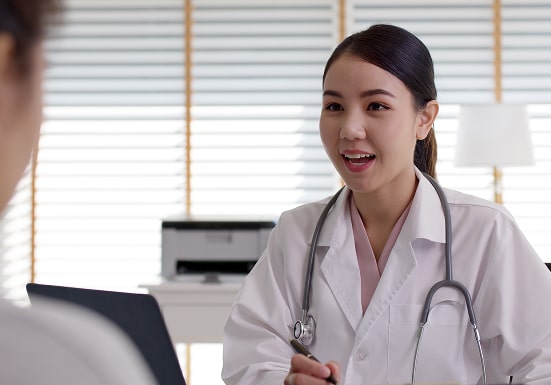
A follow-up visit will be scheduled to assess your healing and ensure there are no complications. During this visit, your dermatologist will review wound care, remove stitches if necessary, and address any concerns. Regular follow-up is a vital part of recovery and long-term skin health monitoring.
Continued Care
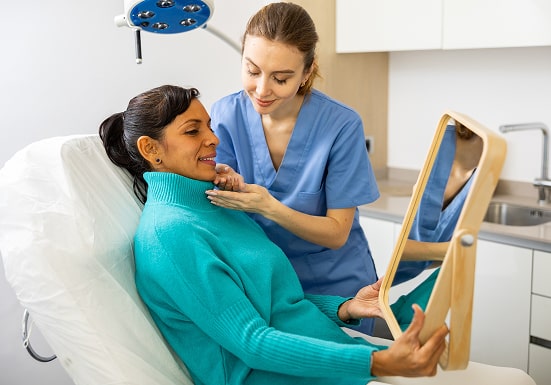
Even after successful Mohs surgery, ongoing skin checks are essential. Your Northstar Dermatology team will create a personalized plan for routine skin exams and self-monitoring to help detect any new or recurring skin cancers early. Our continued partnership focuses on your long-term skin health and overall well-being.
Schedule a consultation with Dr. Aboutalebi
If you’ve been diagnosed with skin cancer or have a lesion that needs evaluation, we’re here to help.
Schedule a consultation with Dr. Aboutalebi and experience the difference that elite training, honest communication, and genuine care make in your skin cancer treatment.
You deserve Northstar
Contact us today. We’re ready to fight for your health and your confidence.